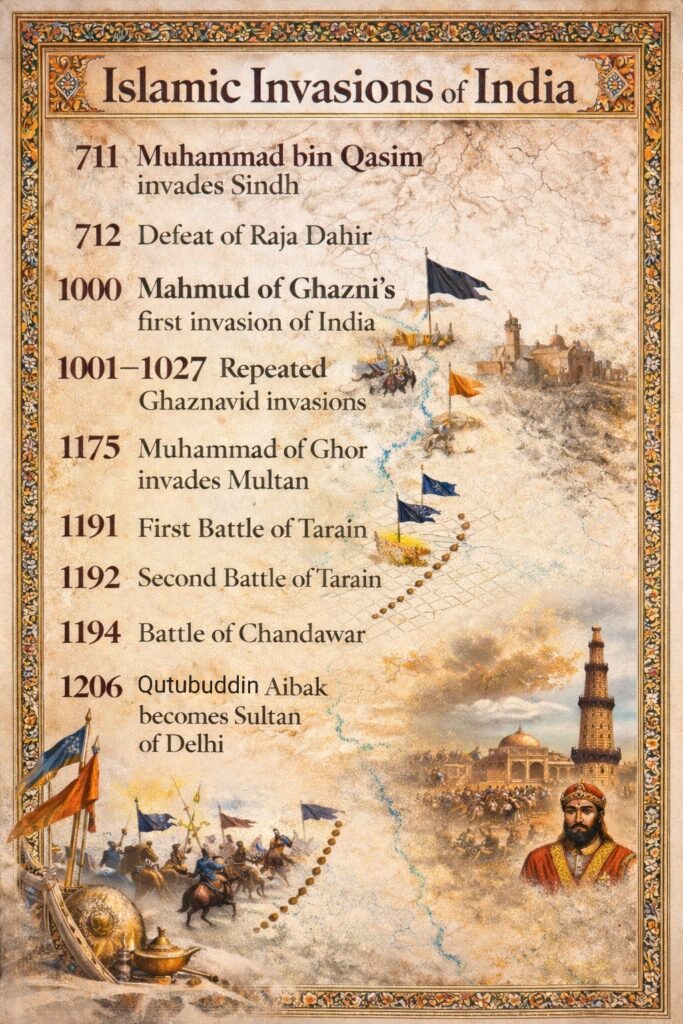
Early Islamic Invasions In India: From Arab Conquest To Ghurid Conquest (7th -12th Century)

Introduction: What were the early Islamic Invasions in India?

The early Islamic Invasions in India were not sudden events but in fact were a gradual historic process that unfolded between the 7th and 12th centuries. The people of India were in contact with the Western Asia, through  peaceful trade and cultural exchange Islam reached India. However, the rulers of Central Asia and Afghanistan were in quest to capture the Golden bird and propagate their religion led military campaigns and invaded India.                                                                             These early encounters and invasions played a crucial role in shaping the medieval Indian history and paving the way to establish Islamic rule in India.

The Arab Invasion of Sindh (712 CE)

This was the first military counter between Islamic powers and Indian subcontinent. The campaign was undertaken during the expansion of Umayyad Caliphate which eventually led to the establishment of the earliest Islamic political authority in India. 
Background and Causes:

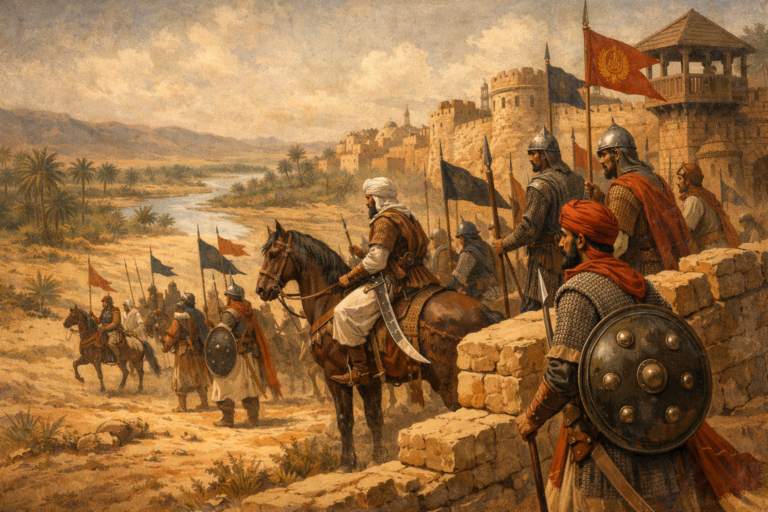
The immediate cause of the invasion was the ship incident where arab ships carrying gifts from ceylon and Iraq were attacked by pirated. It is said that allegedly Raja Dahir of Sindh sanctioned this attacked. This gave a reason to Hajjaj bin Yusuf for military intervention. 
Under the leadership of Muhammad Bin Qasim, arabs at the Battle of Indus defeated Raja Dahir resulting in conquest of cities of Debal, Nitin, Brahmanabad, Aror and Multan. 
Sindh became a part of Umayyad Caliphate. 

Administration

Local population (mainly Hindus and Buddhists) were treated as protected subjects and allowed religious freedom in exchange for paying Jizya ( non – muslim tax). 
The non – Muslims were called Zimmis
They also maintained local revenue structure. 

Historical Importance:

While having geographical significance it also had symbolic significance. 
It opened the gates of India for the invaders. The conquest created indo – arabic cultural exchanges. Various new arab administrative policies were also introduced. 

Mahmud of Ghaznavi/Ghazni (1000 AD - 1300 AD)
The Ghaznavid invasion of India started a new phase of early Islamic invasions in India. Motivated by the Ghazi spirit (of spreading Islam around the world) invaded India 17 times. These invasions were more of raids rather than conquests, driven by religious and economic reasons. 

Characteristics:

He raided India 17 times for over 3 decades. 
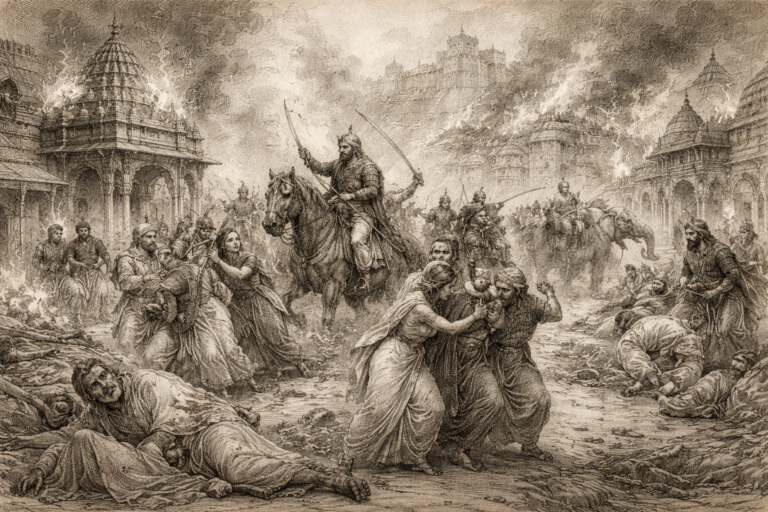
He looted and Plundered important religious destinations and temples and built temples with the debris. 
Hence, his primary targets were Wealthy temples, Major cities and Treasuries of rulers. 
The most famous raid was Somnath Temple plundering which became an important historical memory.

Impact:

The historians agree that “The invasions were destructive but not transformative”. They did not create a sudden change in political power in India but they had had following impacts:
 
The invasions exposed the weak defences of Indian kingdoms. 
It paved the way for future invasions and establishment of first muslim empire in India. 
The passage of the Army throughthe cities helped the central asian rulers in understanding the Indian geography. 
The destruction and plunder resulted in lost of many significant historical architectures and art. 

Muhammad of Ghor / Mahmmud Ghori: From invasions to permanent rule
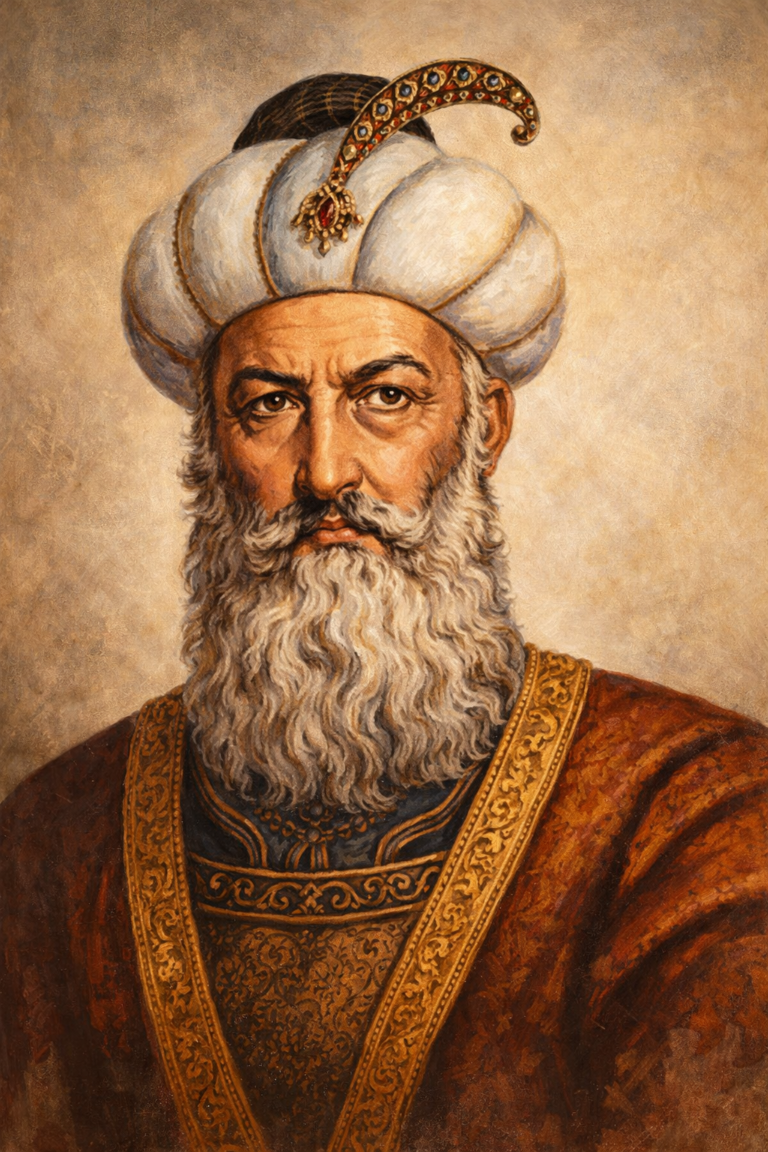
Unlike the earlier invasions, Muhammad Ghori wanted to establish territorial rule in India. The ruler of Ghurid dynasty in Ghur region was Ghiyasuddin Muhammad, he asked his brother Muizzuidin Muhammad ruler of Ghazna to undertake the idea of territorial expansion in India. His campaigns focused on – 
With the finest horses in the world the Turks, had the advantage against the elephant army of Indian rulers. Their main focus was strategic military bases and organized armies. 
With their advanced cavalry warfare, strong tribal warriors, centralized army and Ghazi spirit they had only one focus in mind: political and religious expansion. 
They wanted control over fertile regions to make their homelands prosperous. 

Battles:

First battle of Tarain (1191):

Muizzuidin attacked and captured Tabarhinda fortress – an important fort for defence of Delhi. Without any hesitation Prithviraj Chauhan marched against the turks and met them at the fertile land of Tarain. In this battle Prithviraj attained victory. Muizzuidin was saved by a khilji man who carried him to a safe place. After his victory he left planning against the Turks thinking that they will not try to invade again after such a loss. In Prithviraj Raso, Prithviraj is blamed was leaving behind his political affairs and enjoying merry making. On the other hand Muizzuidin after his failure felt motivated to fight again to capture the lost dreams.

Second battle of Tarain (1192):

This battle laid down the background of Muslim rule in India. Muizzuidin came back motivated and defeated Prithviraj chauhan this time. Prithviraj with his militaristic policies had created more enemies than friends which became one of the important reasons for his defeat. After the battle Prithviraj is said to have escaped and returned to finally kill Muizzuidin by targeting his eyes However this might not be true. Some historians believe that he was captured and killed after the battle by Muizzuidin. Whatever happened to Prithviraj, the aftermath concludes with Muizzuidin leaving India and placing Qutubuddin Aibak incharge of his Indian territories. Aibak continued to face rebellions and finally conquered Delhi and made it the base of Turkish power in India. 

Battle of Chandawar (1194) :

The battle was fought between Muhammad Ghori and Raja Jaichand/Jaichandra of Gahadavala dynasty. Ghori won this battle and further strengthened his position in Northern India.
 

Nature of Early Muslim Invasions in India

The nature of early muslim invasions were not solely political aggression but were complex multi layered processes involving political, economic, social and cultural dimensions.

Political Nature:

Politically the early Muslim invasions were driven by:
The expansionist policies of The Umayyads, Abbasids, and later Central Asian rulers.
The weakness of Indian rulers made the resistance uneven.
There was a search for territorial expansion rather than total conversion of the Non Muslims as it might erupt the locals against foreign powers. 
After the invasions, Local rulers, officials, and laws were often retained.
 

Economic reasons

Economic factors played a crucial role:
The golden bird with it’s gold, silver, spices, textiles, and fertile land became one of the motivations for invaders
By having hold in India the invaders had control over trade routes connecting central Asia to other parts of the world.
Raids by Mahmud of Ghazni, though destructive were often motivated by wealth rather than political supremacy.
Temples were attacked not only because they were religious symbols but also as they were the centres of accumulated wealth.

Military Factors:

Early invasions focused mainly on key cities and urban centres. 
The invaders had superior military abilities, finest horses and advanced warfares as compared to Indian rulers 
Some invasions were just raids while others decided to settle down and rule. 
 

Social dimensions

Muslim rulers relied on local officials and systems for better working of the kingdom. They did not distributed the local self governments. Instead added new features like iqta system to smoothen the working of the system. 
Coexistence developed in areas especially urban centres. 
Destroying of temples to rebuild them into mosque were a common feature of raids. 
Caste structure was still a feature of the Indian society.
Persian language was introduced for administrative purposes.
Indo – islamic touch was clearly visible in art, literature, and architecture..
Muslim rulers also adopted some Indian traditions thus coadaptation and coexistence became a necessity for society. 
 

Timeline:

Leave a Comment

Your email address will not be published. Required fields are marked *

Scroll to Top